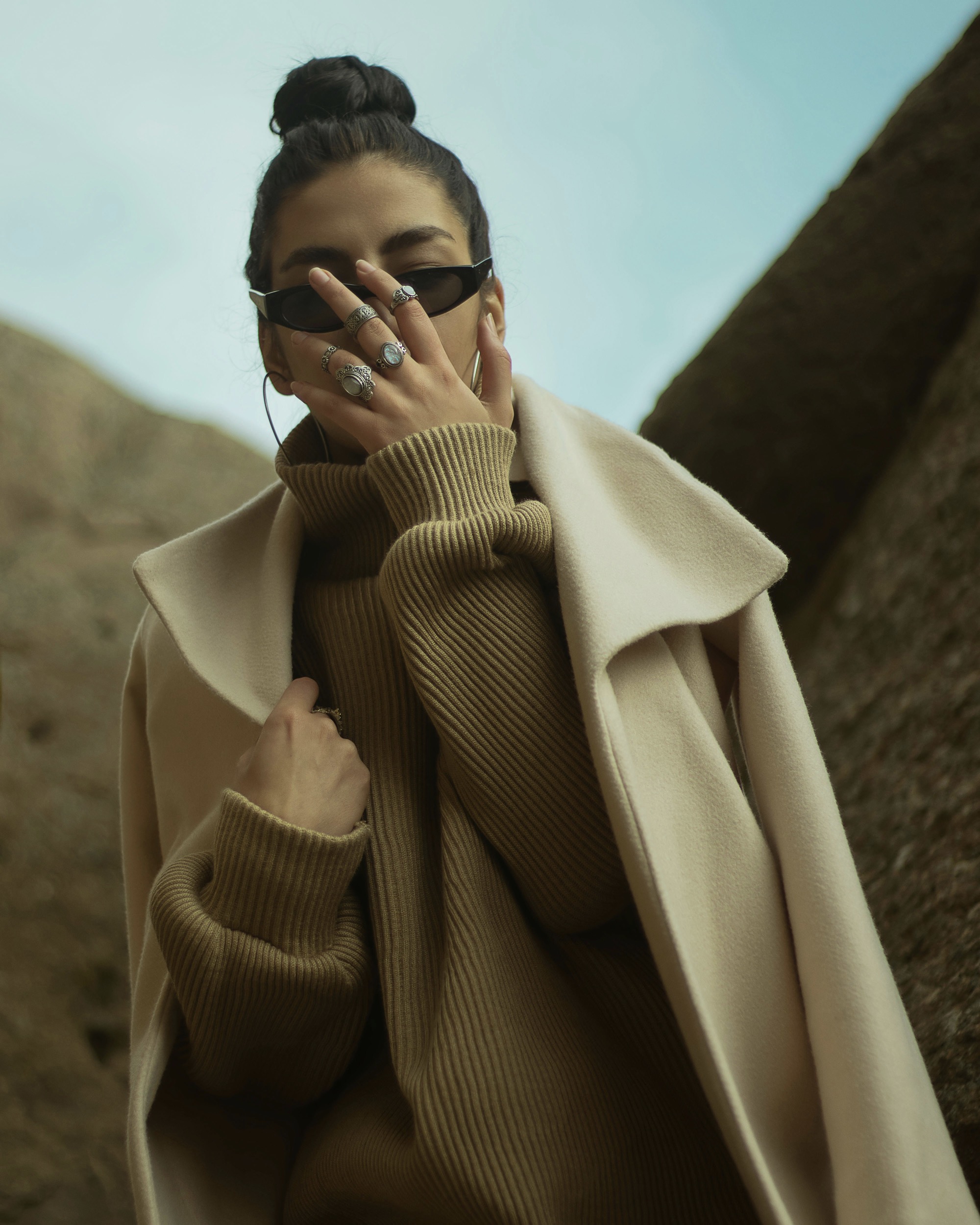
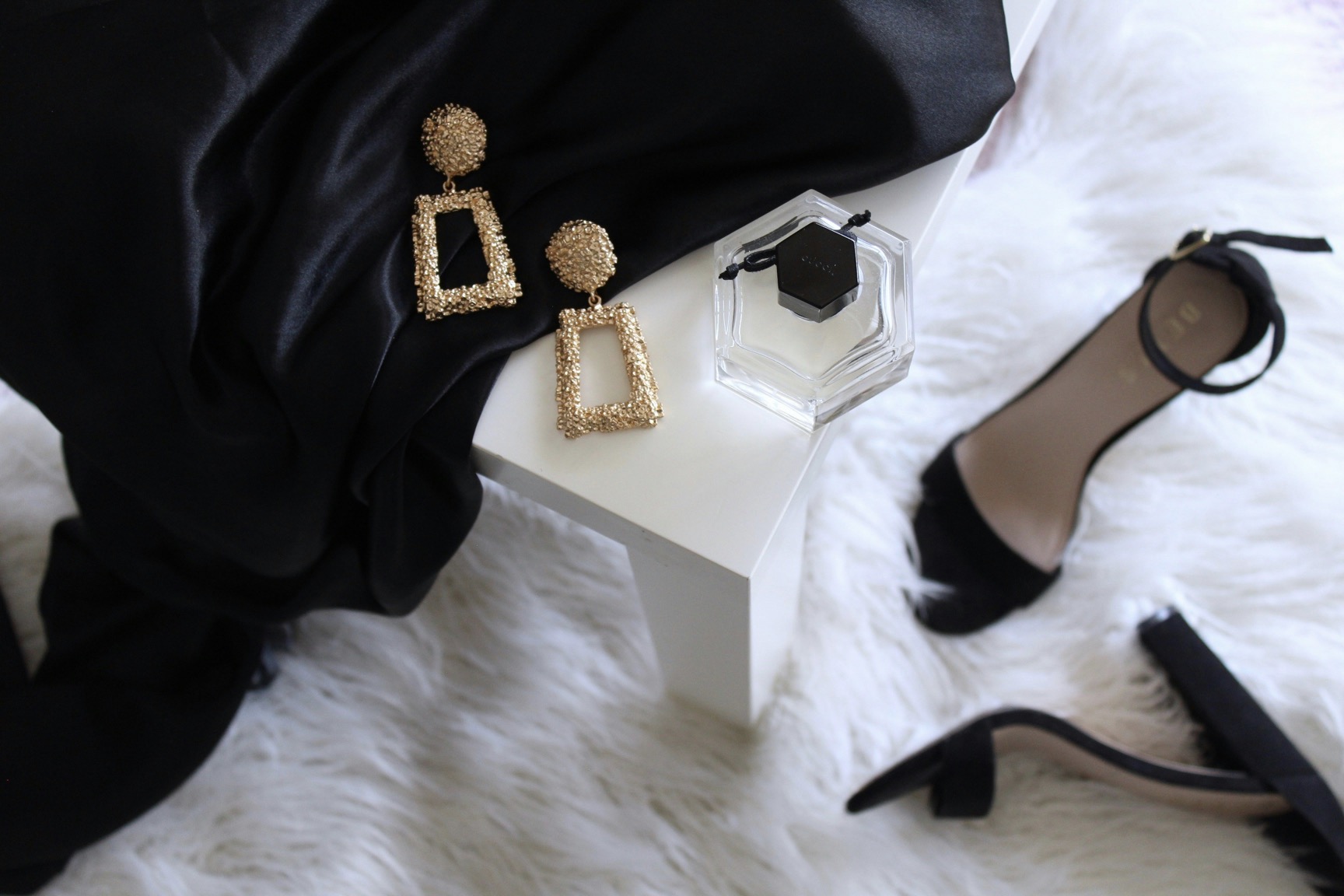
Fashion trends
Smart strategies for dressing for a job interview to convey competence, creativity, and personal brand through clothing.
A practical guide to selecting interview outfits that communicate capability, creativity, and personal authenticity, while aligning with company culture and professional expectations.
Published by
David Miller
July 19, 2025 - 3 min Read
Dressing for a job interview is about signaling capability without shouting for attention. Start with fit, fabric, and color as your foundational language. A well-tailored suit or structured dress creates an immediate impression of competence, while breathable materials maintain comfort through long conversations. Neutrals paired with a single tasteful accent communicate seriousness and polish, yet avoid stark rigidity. Consider the role you’re pursuing: more creative fields accept nuanced textures and subtle patterns, while conservative environments call for streamlined silhouettes. The key is to harmonize practicality with personality, ensuring your clothing supports your message rather than competing with it. Your appearance should assist your narrative of readiness and reliability.
Beyond the basics, build a coherent wardrobe story that reflects your personal brand. Choose pieces that enhance your natural posture and movement, so you never appear stiff or self-conscious. A crisp shirt, a clean blouse, or a neat tie can anchor a look without overwhelming it. Pay attention to details—polished shoes, minimal jewelry, and a discreet belt or scarf can elevate an outfit with quiet confidence. Your accessories should reinforce your professional identity, not distract from it. Think about how the wardrobe choices align with the company’s values and the interview’s focus. When you feel aligned with your attire, your verbal message gains clarity and credibility.
Dress with intention to align style with career goals and culture
Projecting competence while signaling creativity requires a deliberate balance of refined structure and subtle personality. Start with a foundational suit or a dress that fits like a second skin. Choose colors that mirror your field but avoid overpowering hues. A textured fabric adds depth without sacrificing formality. Layer thoughtfully with a blazer or cardigan, ensuring it enhances your silhouette rather than creating bulk. Accessories should be restrained and meaningful, such as a classic watch or a ring that holds personal significance. Grooming matters as well: well-kept hair, neat nails, and minimal fragrance ensure your presence communicates professionalism. Practice your posture to complement your clothing’s message of readiness.
The narrative you present through your outfit should echo your experience. If you’ve led projects, consider a subtle badge of responsibility—perhaps a pin or a structured outer layer that conveys leadership. For roles that value innovation, introduce a touch of personality with a refined texture or a color accent that remains tasteful. Avoid trend-driven pieces that could look fleeting; timeless designs yield longevity in impression. The goal is to be memorable for the right reasons, not for wearing the latest craze. Fit matters most: alterations can transform an ordinary garment into a confidence booster. When clothes fit perfectly, you move with ease, exuding assurance during every conversation.
Craft a personal brand through consistent, tasteful wardrobe choices
Your outfit should be a language that speaks before you do. Start by assessing the company’s culture through its website, social channels, and interviewer profiles. If the tone is formal, lean toward classic tailoring in solid colors. If the firm embraces creativity, incorporate refined patterns or warm textures in a restrained way. In all cases, ensure the overall look communicates reliability and respectful interest in the organization. When selecting footwear, prioritize comfort and professional appearance. Shoes should be clean, polished, and appropriate for the setting. The goal is to present a poised, approachable image that invites conversation rather than overshadowing it with fashion-forward statements.
Practical planning reduces last-minute stress. Create a capsule wardrobe for interviews that can be mixed and matched without losing cohesion. Prepare two outfits: one meeting-ready, one slightly more expressive for a second-round conversation. Have backup options ready, including a spare blouse or tie, in case of weather changes or spills. Test your ensemble by walking, sitting, and standing to ensure freedom of movement. Pay attention to the details—steam or iron clothing the night before, pack a small sewing kit, and bring a professional bag to contain resumes and notes. The right preparation keeps you centered, allowing your voice to shine.
Use color and texture to convey confidence without distraction
Consistency reinforces trust, so curate a wardrobe that mirrors your professional brand across roles. If you emphasize precise execution, your clothing should reflect tidy lines and clean edges. For collaborative, creative work, introduce textures and gentle color warmth without compromising polish. Maintain a balance between formality and approachability; you want to seem capable and approachable in one view. Consider tailoring as part of your brand investment—proper fit suggests attention to detail. Your stance and gait can also convey confidence; attire should support these nonverbal cues rather than distract from them. People notice how you present yourself before you finish your first sentence.
A well-crafted interview look adapts to different environments while preserving your essence. When meeting at a startup, you may opt for smart-casual elegance that still respects boundaries. At a traditional corporation, lean toward classic silhouettes that project steadiness. If you expect a panel interview, choose a versatile outfit that works across rooms and lighting. Test color behavior under common lighting to avoid surprising reflections or dull tones. Finally, ensure your ensemble communicates both competence and curiosity—the willingness to learn and contribute is as compelling as technical know-how. A memorable appearance is about coherence, not flashiness, so your ideas can truly shine.
A complete interview wardrobe supports confident, authentic communication
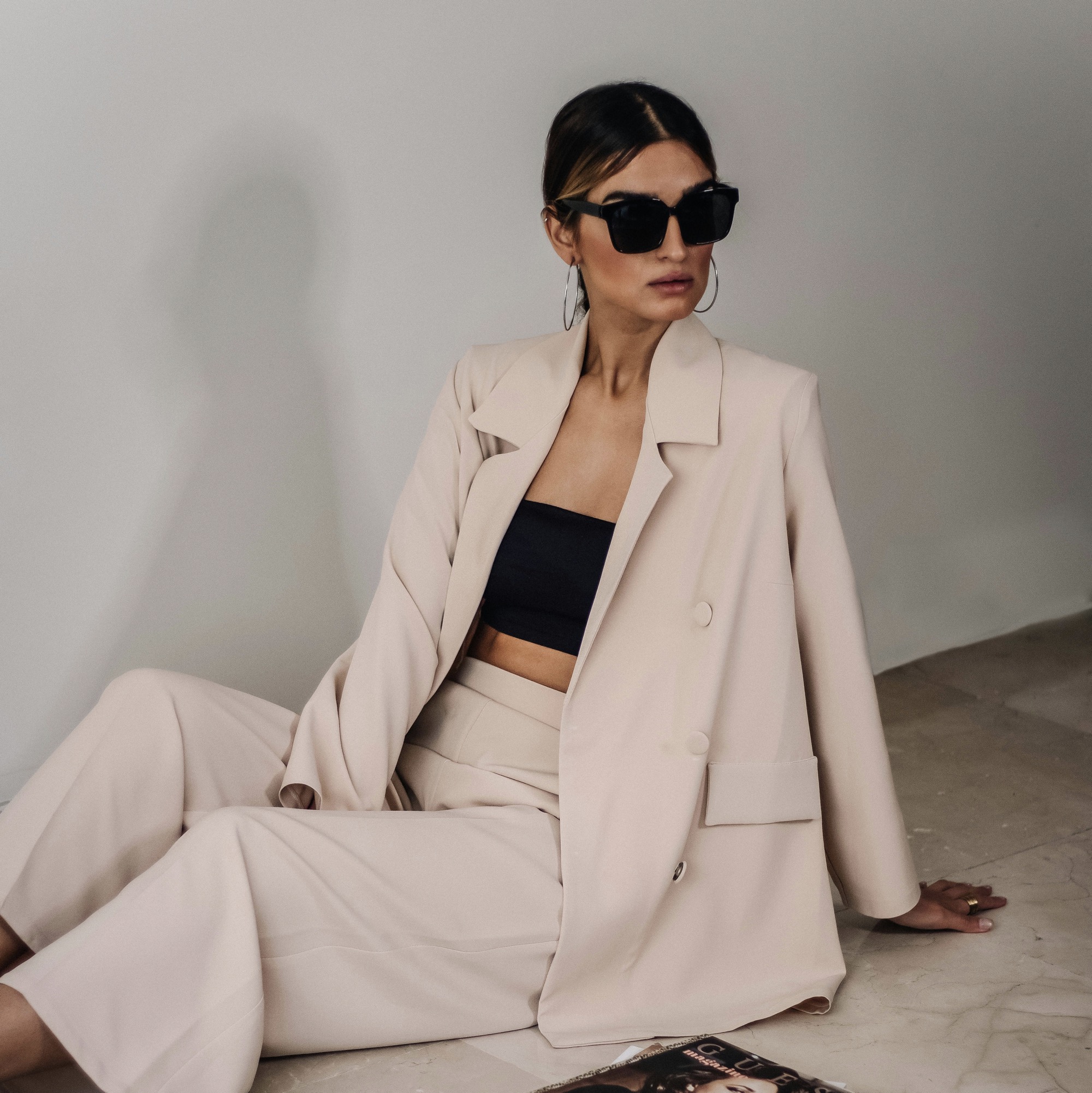
Color psychology plays a subtle but meaningful role in interviews. Navy and charcoal communicate reliability and seriousness, while deep greens and burgundy signals creativity with restraint. Beige, taupe, and light gray offer approachability and openness, particularly in client-facing contexts. Texture adds dimension; a herringbone weave or a silk-blend fabric can convey sophistication without overpowering the message. However, avoid clashing palettes or aggressive contrasts that draw attention away from your words. Accessories should complement rather than compete, guiding the eye toward the face and speech. Practicing your outfit in advance helps you feel comfortable, making your voice more confident and convincing.
Footwear anchors the entire outfit with practicality and poise. Choose shoes that are clean, comfortable, and appropriate for site visits or standing interviews. Classic loafers, oxfords, or modest heels in neutral tones pair well with most outfits and stay timeless across industries. Ensure heels are stable and walkable; test on different surfaces beforehand. If you wear patterns, keep footwear simple to avoid visual overload. Socks or tights should harmonize with the overall color story. By selecting footwear that supports mobility, you reduce distraction and project steady, controlled energy during questions and responses.
The final layer is the mindset you bring to the room. Clothes can enhance confidence, but your preparation and presence do the heavy lifting. Practice concise, compelling narratives about your accomplishments and learning moments, aligning them with the company’s goals. Your attire should be a quiet ally, not a spectacle, so keep your approach honest and inclusive. Grooming matters just as much as garments: neat hair, trimmed nails, and minimal use of fragrance convey professionalism without overpowering others. Plan your arrival with a calm, ready demeanor that mirrors the ease of your clothing. When your appearance aligns with your message, you invite a constructive dialogue that highlights your potential.
Finally, tailor your strategy to the interview format and audience. If you expect a technical assessment, ensure your look communicates methodical thinking and reliability. For executive conversations, emphasize leadership cues through structured outfits and measured demeanor. In virtual interviews, lighting and camera angles can reveal flaws or strengths; select attire that remains visible and balanced on screen. Rehearse how your clothing helps you present your ideas clearly—maintain eye contact, speak with purpose, and let your personal brand emerge with authenticity. Dressing thoughtfully is a practical extension of your preparation, increasing your chances of leaving a lasting, favorable impression.